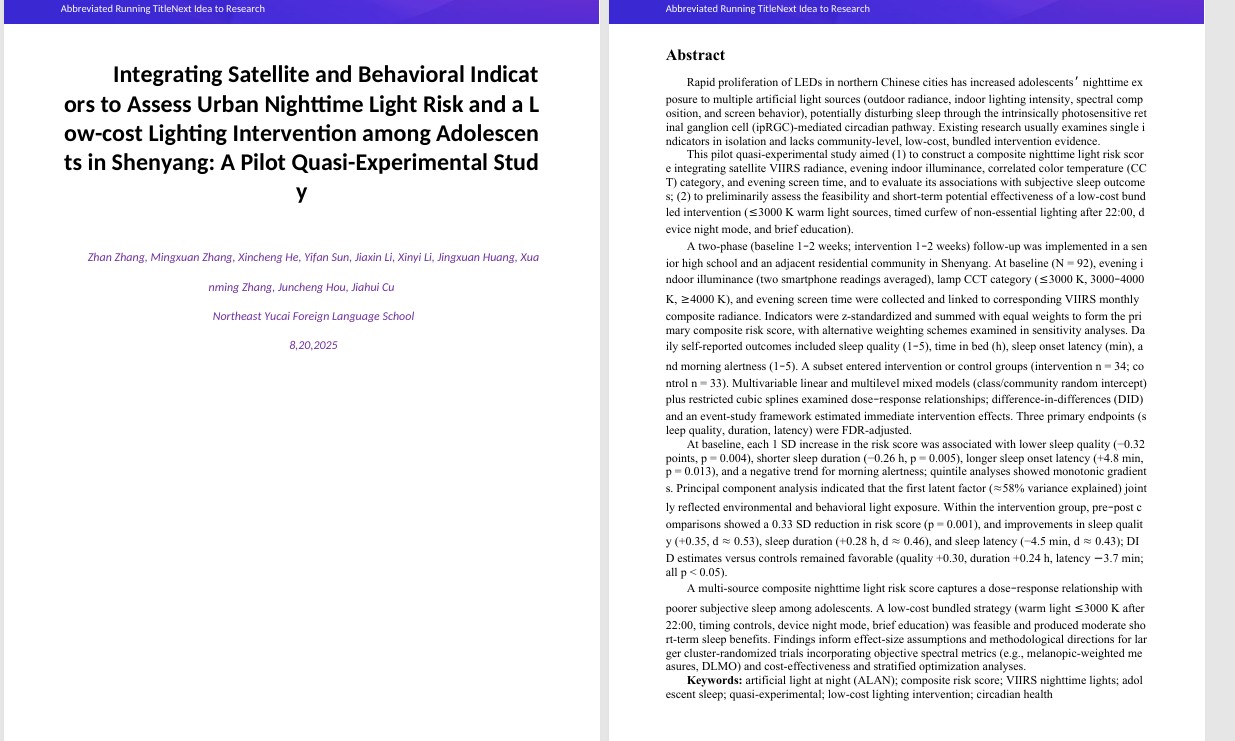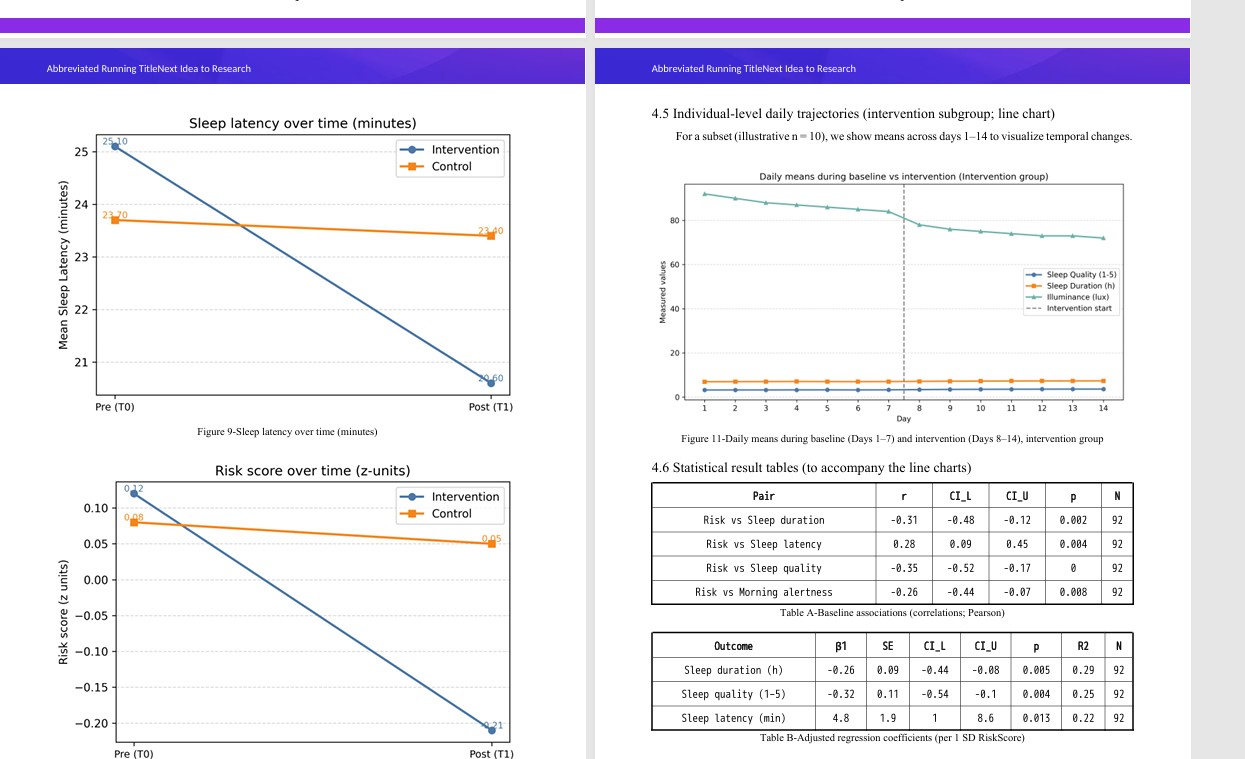
Turning Civic Concern into Scientific Inquiry: A Study of Light
True change often begins with a simple observation in your own backyard. For me, it was the gradual fading of the starry night sky over my hometown, obscured by the relentless glow of unchecked artificial light.
This wasn't just an aesthetic loss; it was an environmental issue affecting ecosystems and human well-being. I refused to be a passive observer. I mobilized a team of like-minded classmates, transforming our shared concern into a formal scientific research project on light pollution.
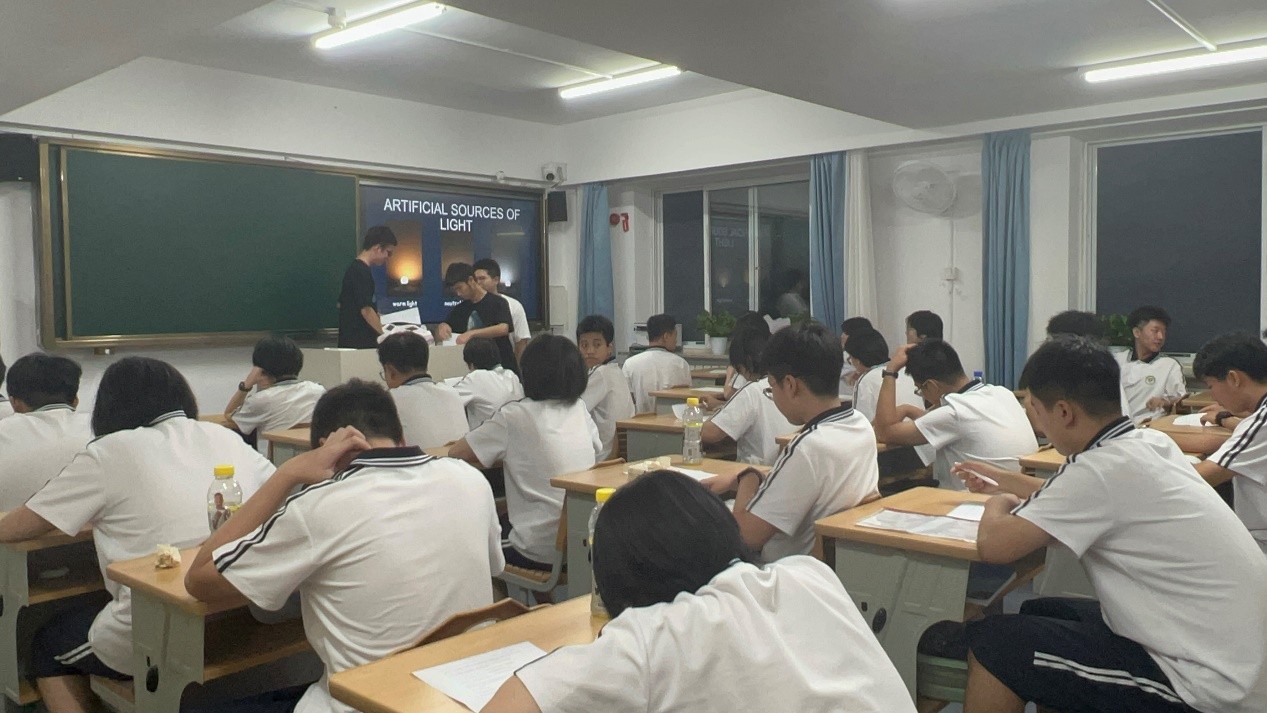
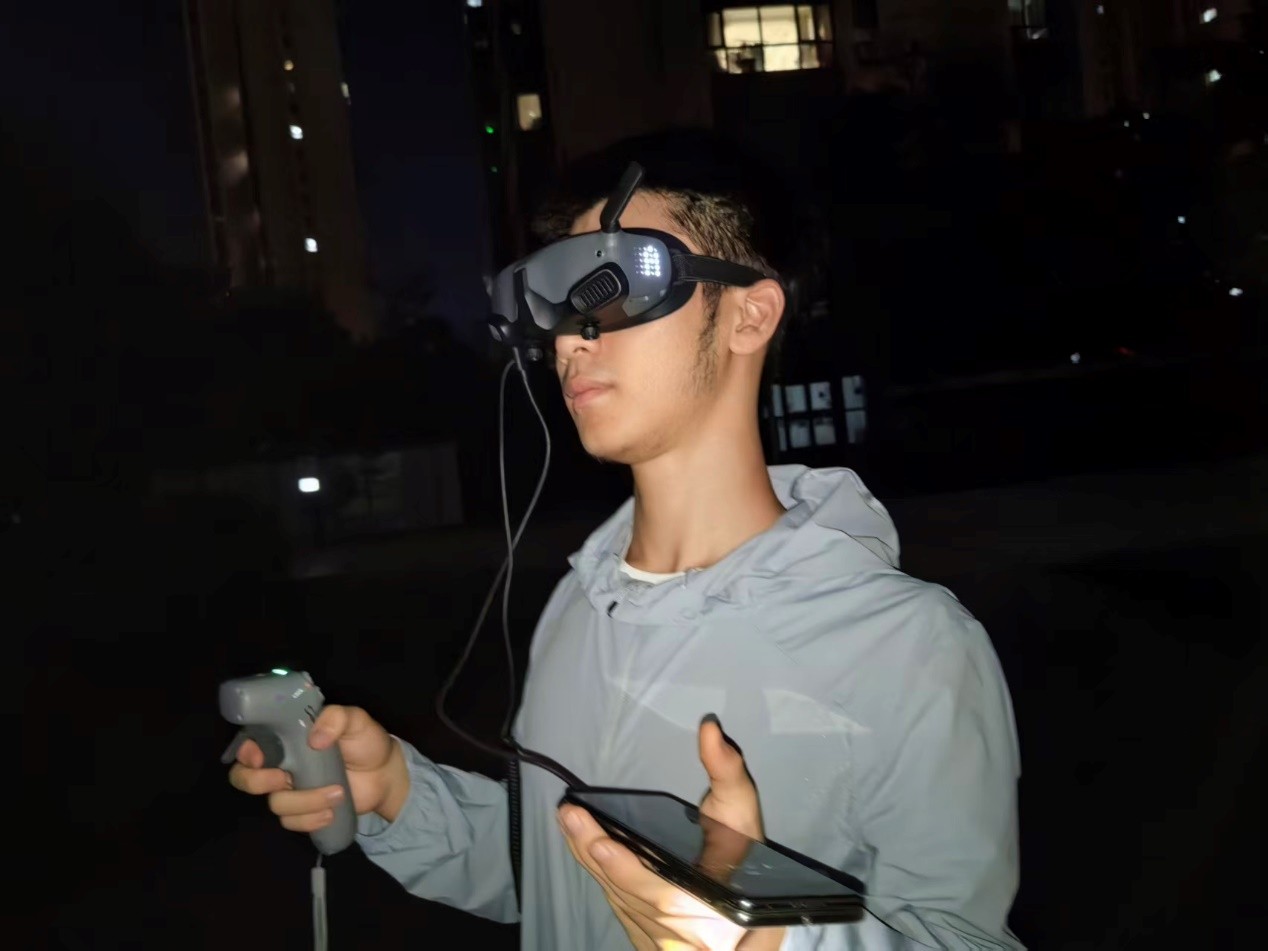
We became detectives of the night, employing innovative technology to gather evidence. We equipped drones with light sensors to conduct aerial surveys, mapping the intensity and sources of pollution across our city with unprecedented detail from the sky. We complemented this aerial data by learning to measure luminance levels on the ground, and delved into academic papers to understand the global implications of our local problem. For months, we collaborated, analyzed data, and debated findings.
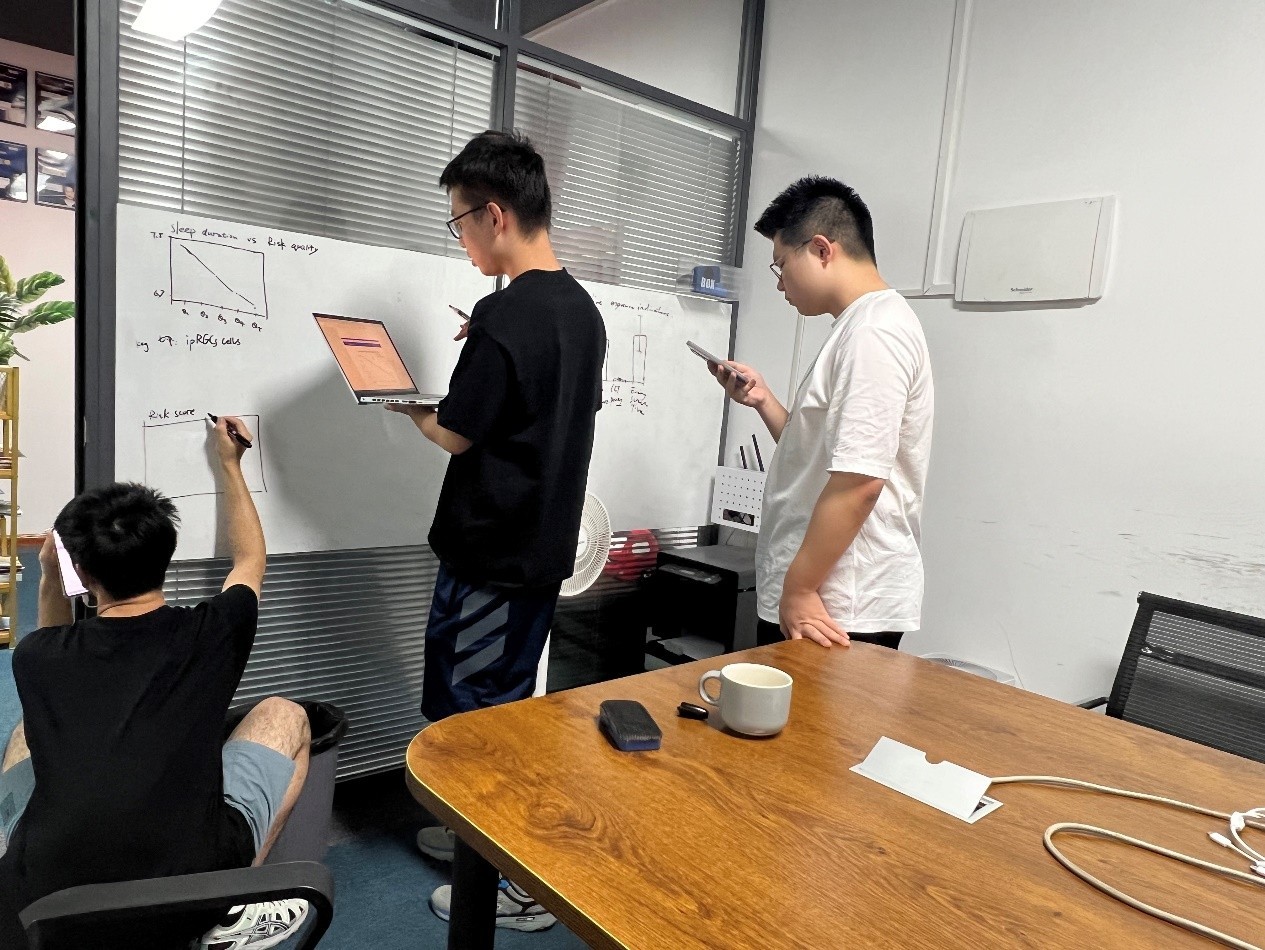
Our dedication crystallized into a formal research paper. To ensure our findings reached beyond academic circles, we edited and produced an accessible science video that distilled our complex research into a compelling visual narrative for the public. In these outputs, we presented our analysis and proposed practical mitigation strategies for our community. This project taught me that the most powerful tools for change are often a blend of curiosity, collaboration, and the courage to ask, "What can I do?"